
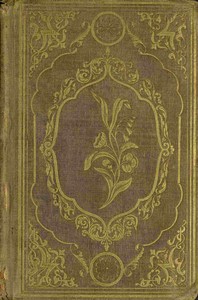
The language of flowers : The floral offering ; a token of affection and…
First published in 1852, Henrietta Dumont's book is a charming artifact. It’s not a novel with a plot, but rather a key to a forgotten world. The book presents itself as a dictionary and a guide, listing hundreds of flowers and plants alongside their assigned sentiments. It also includes poems, anecdotes, and instructions for arranging meaningful bouquets, called 'tussie-mussies' or 'nosegays.'
The Story
There's no traditional story here. Instead, the book itself is the narrative—it tells the story of a cultural practice. It systematically lays out this floral vocabulary, from A (like Amaranth for immortality) to Z (like Zinnia for thoughts of absent friends). The 'conflict' is in the subtext: the need for people, especially women in a restrictive Victorian society, to communicate complex feelings—love, regret, jealousy, friendship—without saying a word.
Why You Should Read It
I loved this because it made history feel personal and tangible. It’s not about dates and wars; it’s about human connection. Reading it, you can't help but picture someone carefully choosing a sprig of rosemary for remembrance or avoiding yellow carnations (which meant disdain!). It’s a beautiful blend of botany, poetry, and social history. The language is old-fashioned but clear, and the sentiments range from sweet to surprisingly dramatic.
Final Verdict
This is a perfect little book for curious minds, gardeners, history lovers, and anyone who enjoys ephemera and the romance of the past. It’s a wonderful companion for a quiet afternoon. If you're looking for a fast-paced plot, this isn't it. But if you want a book that feels like a key to a secret garden of hidden meanings, you'll be utterly charmed. It might even inspire your next gift!
This publication is available for unrestricted use. Distribute this work to help spread literacy.
Barbara Robinson
1 month agoA fantastic discovery, the progression of ideas feels natural and coherent. Time very well spent.
Paul Campbell
4 months agoWithout a doubt, the writing style is poetic but not overly flowery. This book will stay with me for a long time.
Amanda Torres
3 weeks agoReading this felt refreshing because the content flows smoothly from one chapter to the next. I’ll definitely revisit this in the future.






Mason Thomas
1 month agoI approached this with an open mind and the author avoids unnecessary jargon, which is refreshing. I’ll be referencing this again soon.